


Who Was Carlo Gambino? The Quiet Don Who Ruled the American Mafia
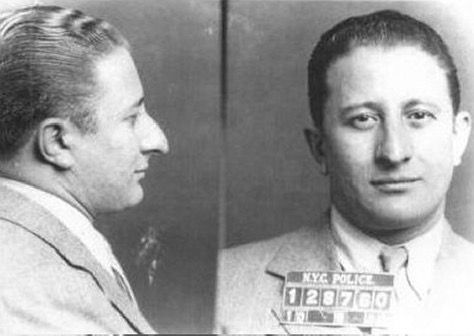
Carlo Gambino remains one of the most powerful and enigmatic figures in the history of organized crime. Known as “The Quiet Don,” Gambino rose from humble beginnings in Sicily to become the head of the most influential Mafia family in the United States—one that still bears his name today.
Born on August 24, 1902, in Palermo, Sicily, Carlo Gambino grew up surrounded by the traditions of the Sicilian Mafia. By the time he immigrated to New York in 1921, he was already familiar with the codes of loyalty, secrecy, and discipline that defined the criminal underworld. Settling in Brooklyn, Gambino quickly became involved in bootlegging during Prohibition, earning both wealth and reputation in a rapidly growing underworld economy.
As the years passed, Gambino’s intelligence and low-profile demeanor set him apart. While others in the Mafia sought fame, flashy cars, and attention, Gambino preferred to operate silently and strategically. His calculated approach earned him respect among mobsters and allowed him to avoid the scrutiny that took down many of his contemporaries.
By the 1950s, Gambino had solidified his power within the Luciano Crime Family (later renamed the Gambino Family). After the assassination of boss Albert Anastasia in 1957—a murder many believe Gambino orchestrated—he assumed control of the family. Under his leadership, the organization expanded its reach into labor unions, construction, trucking, gambling, and more. Gambino’s control over key industries allowed him to quietly amass an empire worth millions, all while keeping his hands seemingly clean.
Unlike other mob bosses of his era, Gambino avoided violence whenever possible. His reputation as “The Gentle Don” stemmed from his preference for diplomacy and negotiation over brute force. Still, those who betrayed or crossed him met swift and silent consequences.
Carlo Gambino remained at the helm of his crime family until his death on October 15, 1976. He died of natural causes at his Long Island home—an ending that few mobsters ever achieve. His death marked the close of an era, but his influence continued to shape organized crime for decades to come.
Today, the name Gambino still carries weight in both history and pop culture, symbolizing the intricate web of power, loyalty, and secrecy that defined America’s Mafia hierarchy. Carlo Gambino’s life is a testament to how quiet strategy—not loud brutality—can sometimes rule the underworld.


Comments