


When Coaching Met the Streets: John Thompson’s Bold Confrontation With Rayful Edmond III
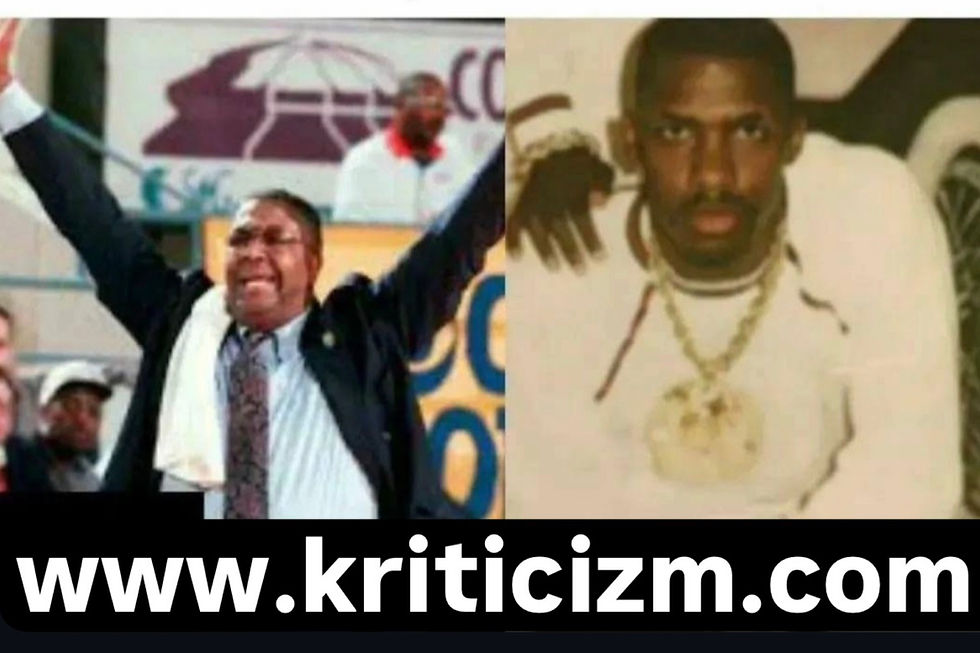
In the late 1980s, Washington, D.C. was a city caught between two powerful forces: the meteoric rise of Georgetown basketball and the devastating grip of the crack epidemic. At the center of both worlds stood one of college basketball’s most influential leaders—Coach John Thompson Jr.—and one of the nation’s most infamous drug traffickers—Rayful Edmond III.
While their paths should never have crossed, circumstances pushed them toward an unforgettable meeting that would become one of the most legendary moments in sports history.
A Dangerous Friendship Emerges
Georgetown University basketball was more than a program—it was a cultural institution, a source of pride for D.C., particularly for its Black community. Stars like Alonzo Mourning and John Turner were young talents carrying the program’s legacy. But their rising fame also attracted attention from the wrong places.
Word reached Thompson that Mourning and Turner had befriended Rayful Edmond, whose name was synonymous with the underworld. Edmond’s organization was responsible for moving massive amounts of cocaine through the District, making him a figure both feared and mythologized.
Thompson understood immediately: any connection between Georgetown players and a man like Edmond could destroy careers, reputations, and futures.
John Thompson Takes Matters Into His Own Hands
Rather than ignore the situation or hope it would resolve itself, Thompson did something almost unimaginable for a college coach—
he sought out Rayful Edmond himself.
According to multiple accounts from those close to the program, Thompson arranged a private, face-to-face meeting with Edmond. No entourage. No press. Just a coach protecting his players and a kingpin who controlled the city’s underground economy.
Thompson laid out the stakes directly and without fear. The message was simple:
Stay away from my players.
Stay away from Georgetown basketball.
Their futures are not going to be compromised.
This was not bluster. Thompson was a towering 6’10” former NBA center and a man known for his discipline and presence. Edmond, equally respected in his own world, reportedly listened carefully.
And remarkably—he agreed.
After that meeting, Edmond stopped contacting Georgetown players altogether.
A Coach’s Duty Beyond Basketball
Thompson’s confrontation with Edmond wasn’t about intimidation; it was about responsibility. He saw firsthand how young Black men in D.C. were being swallowed by a drug war they didn’t create. Protecting his players meant shielding them from influences that could derail their lives instantly.
This moment became a defining example of Thompson’s legacy. He wasn’t just a coach; he was a guardian, a mentor, and a leader willing to step into danger for the sake of his athletes.
The Legacy of That Meeting
The story has taken on near-mythical status, not because it glamorizes crime, but because it highlights courage. Few coaches would risk such an encounter—but Thompson was cut from a different cloth.
His decision ensured that Alonzo Mourning, John Turner, and others remained focused on basketball, not the streets. Mourning went on to become an NBA legend, and Georgetown remained one of the most respected programs in the nation.
As for Edmond, he later faced federal charges unrelated to Georgetown and was sentenced to life imprisonment. But his brief intersection with the basketball world remains an unforgettable glimpse into a turbulent era in D.C. history.
A Moment That Defined a Leader
John Thompson’s willingness to confront one of the most feared men in Washington wasn’t just bold—it was an act of love toward his players and community. It stands as one of the most extraordinary examples of a coach stepping far beyond the lines of the basketball court to protect the young men under his watch.
In a city torn between dreams and danger, Thompson proved that real leadership sometimes requires stepping directly into the storm.


Comments