


The Untold Story: How the Best Rapper Alive, Lil Wayne, Almost Took His Own Life
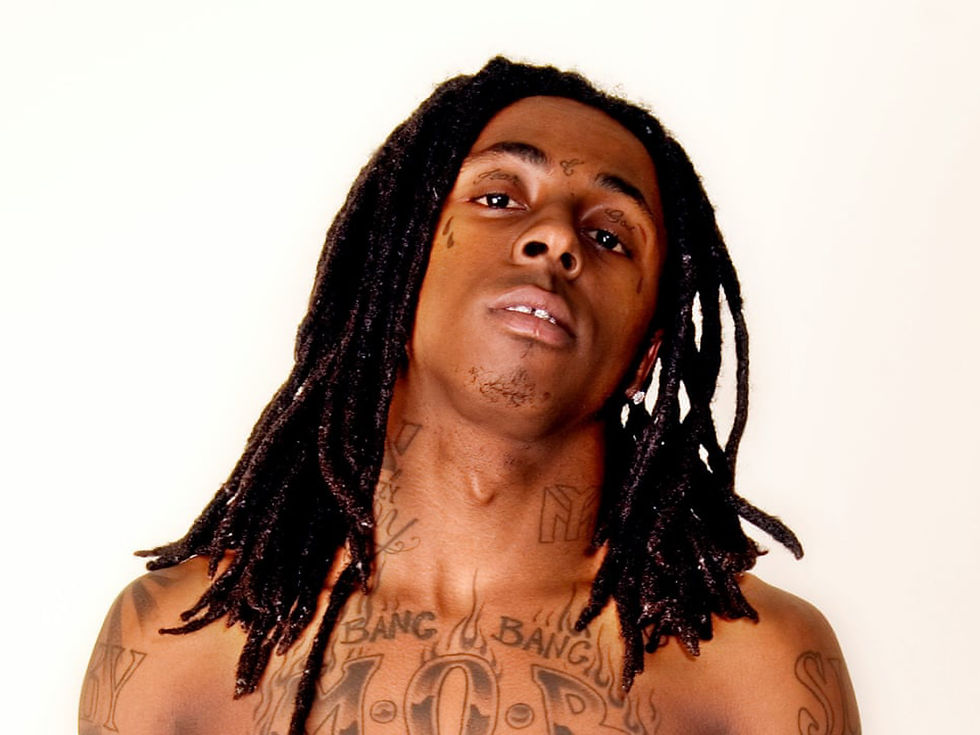
Before he became the self-proclaimed “Best Rapper Alive,” before the platinum plaques and the legendary mixtapes, Lil Wayne was a troubled 12-year-old boy in New Orleans facing a life-or-death decision that would change his destiny forever. The world knows him as a rap icon, but few truly understand the pain that almost ended his story before it began.
This is the real story of how Lil Wayne almost took his own life—a moment that shaped not just his music, but his outlook on life itself.
A Child Prodigy in Pain
Born Dwayne Michael Carter Jr. in the tough Hollygrove neighborhood of New Orleans, Lil Wayne was already recognized as a musical prodigy before he was a teenager. He joined Cash Money Records at just 11 years old, mentored by Bryan “Birdman” Williams and Slim Williams, and became obsessed with rap.
But while his career was taking off, his personal life was unraveling. Wayne’s mother, Jacida Carter, had discovered his secret involvement with Cash Money and wanted him to quit rapping to focus on school. To a young Wayne, music wasn’t just a hobby—it was his way out, his identity, and his purpose.
Feeling misunderstood, rejected, and overwhelmed, Wayne made a heartbreaking choice that nearly cost him his life.
The Day Everything Changed
In 1994, at just 12 years old, Wayne found a gun that his mother kept in the house. In a moment of despair, he pointed it at his chest and pulled the trigger.
The bullet barely missed his heart.
As Wayne later revealed, he wasn’t trying to play with the weapon—he was attempting suicide. For years, he let the world believe it was an accident, but in his 2020 Uncomfortable Conversations interview and on his song “Let It All Work Out,” Wayne opened up about the truth:
“I was willing to die for what I loved… I was willing to die for music.”
Saved by a Hero Named “Uncle Bob”
Bleeding and terrified, Wayne dragged himself to the door as police arrived. Most of the responding officers reportedly ran past him—searching the house for drugs and weapons instead of helping a dying child. But one officer, Robert Hoobler, known in the neighborhood as “Uncle Bob,” refused to leave him behind.
Uncle Bob picked Wayne up and rushed him to the hospital himself, refusing to wait for an ambulance. That act of compassion saved Wayne’s life.
Years later, Wayne would publicly credit Uncle Bob with giving him a second chance at life, calling him his hero in interviews and songs. When Uncle Bob passed away in 2022, Wayne paid tribute to him, saying:
“Everything happens for a reason. I owe him everything.”
From Pain to Purpose
That near-death experience didn’t destroy Lil Wayne—it fueled him. From that moment forward, he threw himself completely into his craft. His pain, confusion, and survival became the foundation of his unmatched work ethic and fearless lyricism.
By the time he released Tha Carter III in 2008, Wayne wasn’t just a rapper—he was a living legend, celebrated for his wordplay, creativity, and authenticity. Songs like “Let It All Work Out,” “Mirror,” and “I Feel Like Dying” later revealed that the trauma of his youth never left him—it just became a part of his art.
A Legacy of Survival
Lil Wayne’s story is more than just about fame or success—it’s about survival, redemption, and self-expression. He turned his darkest moment into a lifelong message: that pain can fuel greatness, and vulnerability can coexist with power.
Today, when fans call him the “Best Rapper Alive,” it’s not just about his bars—it’s about his resilience. He’s a living testament that even in moments of despair, life can still be worth fighting for.
Lil Wayne’s story reminds us that behind the fame and bravado lies a human being who nearly didn’t make it—but did. And because he did, the world got one of the greatest artists in hip-hop history.


Comments