


Did You Know Back In The 90's Wendy Williams Got An Abortion After Getting Pregnant By DJ And Music Producer Eric B.?
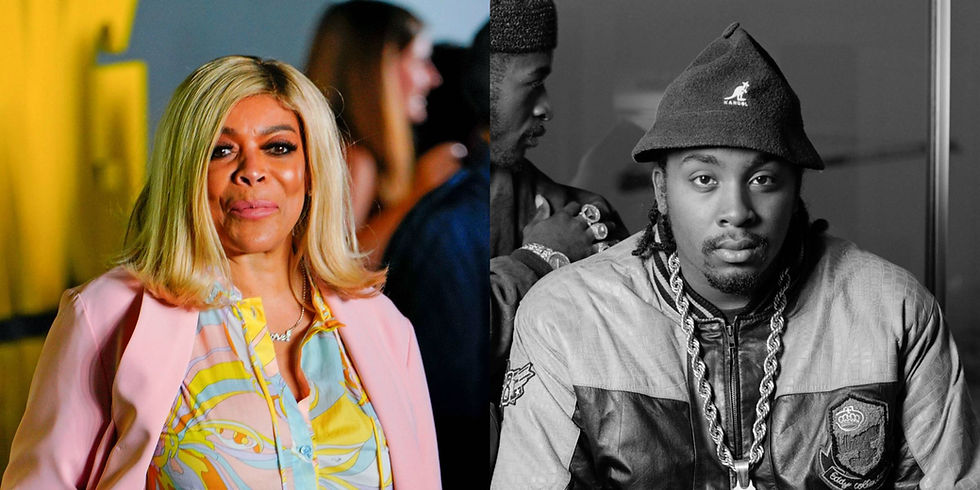
Long before Wendy Williams became one of the most polarizing figures in daytime television, she was one of the most influential voices in hip-hop radio. In the late 1980s and 1990s, Williams was deeply embedded in the culture—breaking artists, exposing industry secrets, and forming close relationships with some of rap’s biggest names. One of the most talked-about revelations from her past involves a deeply personal decision she later chose to share publicly.
According to Wendy Williams’ own accounts in interviews and her memoir, she became pregnant in the early 1990s by legendary producer and DJ Eric B., best known as one half of the iconic duo Eric B. & Rakim. At the time, Williams was building her career in radio, while Eric B. was already established as a major figure in hip-hop. Their relationship was kept largely private, reflecting how tightly guarded personal lives were in the industry back then.
Wendy later revealed that she chose to have an abortion, a decision she described as difficult but necessary given where her life and career were at the time. She has spoken openly about the experience years later, framing it as part of her journey and personal growth rather than a scandal. Her willingness to discuss such a sensitive topic publicly stood in contrast to the silence that often surrounded similar stories in hip-hop during that era.
The revelation shed light on the realities faced by women working in male-dominated spaces like hip-hop radio in the 1990s. Wendy was ambitious, outspoken, and determined to succeed in an industry that often punished women for vulnerability. Her decision, as she explained it, was rooted in survival and focus—choosing her future at a pivotal moment.
Eric B., known for keeping a low public profile, has rarely spoken publicly about personal matters, and the story has largely been told from Wendy’s perspective. Over time, it became less about the individuals involved and more about Wendy Williams reclaiming her narrative.
Today, the story is often revisited not as gossip, but as an example of Wendy Williams’ trademark openness. Love her or hate her, she has never shied away from telling her truth—even when it’s uncomfortable. In revisiting moments like this from the 1990s, it becomes clear that Wendy Williams’ impact on hip-hop culture went far beyond radio microphones and talk show couches. She lived the culture, endured it, and later spoke on it in a way few others ever dared to.


Comments